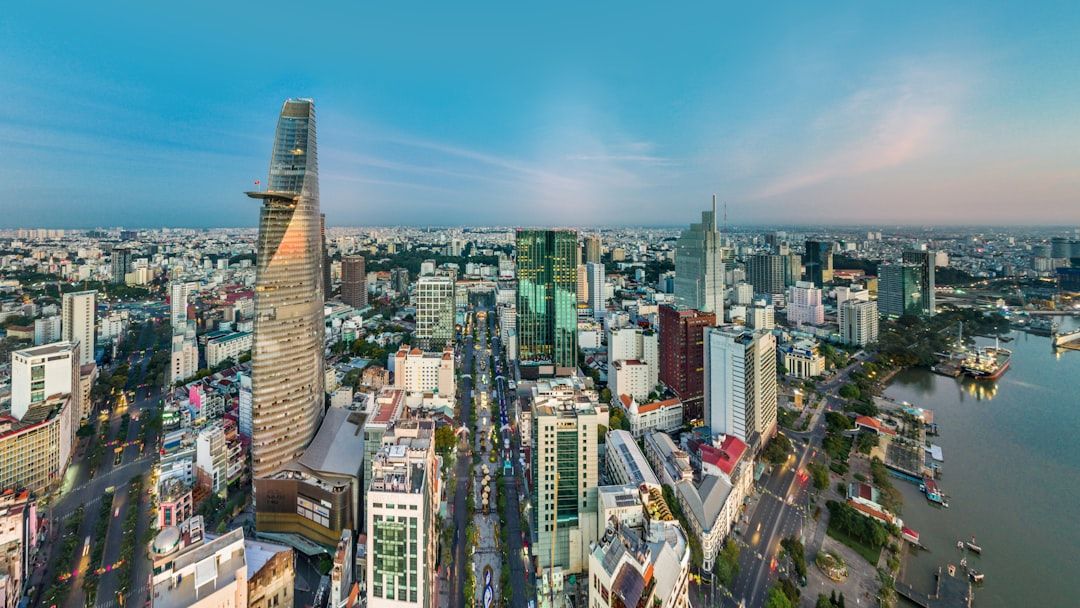
Vietnam runs 1,650 kilometres north to south, and almost every independent traveller follows the same corridor. That is what makes it easy alone — you keep meeting the same people for weeks.
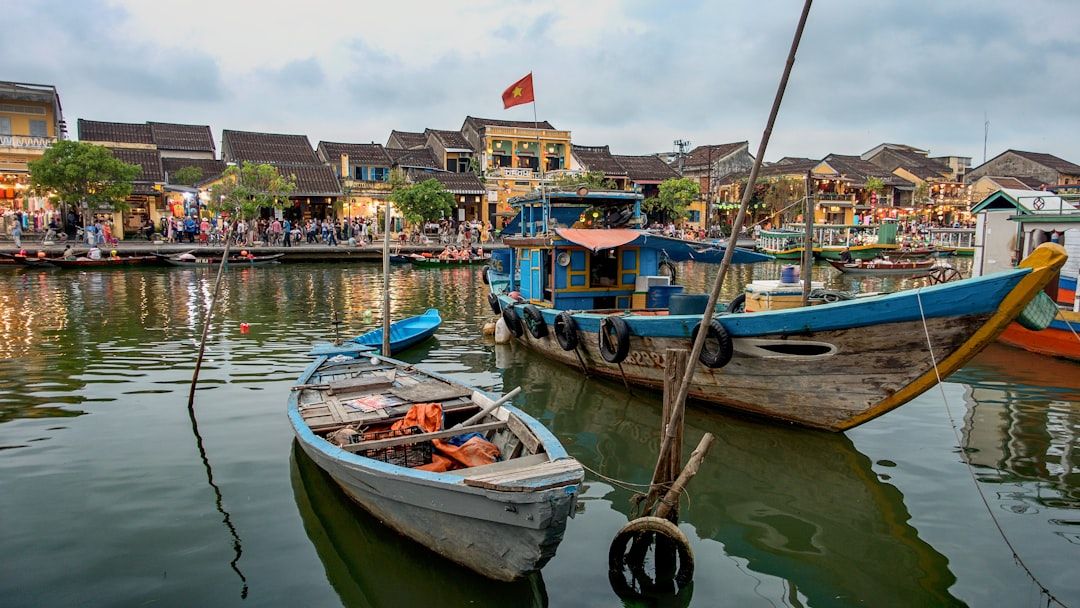
The corridor
Hanoi, Ha Long or Lan Ha Bay, Sapa or Ha Giang, Hue, Hoi An, Da Nang, Nha Trang, Da Lat, Ho Chi Minh City and the Mekong Delta.
Most people go north to south or south to north. Either works, and the direction matters less than not backtracking.
Because everyone is on it, the same faces reappear in hostels and on buses for weeks, which does the social work automatically.
Transport
Sleeper buses — reclining berths rather than seats, widely used, cheap, and covering the long distances overnight so you save a night's accommodation.
Driving standards vary and the beds are short for taller travellers. They are an acquired taste and everyone uses them.
Sleeper trains — more comfortable, a little more expensive, and soft-sleeper cabins are genuinely pleasant.
The Hue to Da Nang coastal stretch over the Hai Van Pass is one of the best rail journeys in Asia and is worth doing by train regardless of what you do elsewhere.
Domestic flights are cheap and are the only fast way to cover the full length.
Hostels
Dense, cheap and organised — many run family dinners, bar crawls and day trips.
$5–12 for a dorm, and private rooms at $15–30 which is often less than a dorm elsewhere.
This is where the route's social side actually operates.
The scooter warning
Worth stating clearly because Vietnam is where many travellers first ride one.
You need the correct motorcycle category on an international permit, without which travel insurance generally voids cover for an accident.
Vietnamese traffic is dense and follows conventions that take time to read.
The Ha Giang loop is spectacular and involves mountain roads that have caused serious injuries to inexperienced riders. Hiring an easy rider — a local driver you ride pillion with — is the common and sensible alternative, and it is also more social.
Never leave a passport as a rental deposit.
The costs
| Item | Solo daily |
|---|---|
| Hostel dorm | $5–12 |
| Private room | $15–30 |
| Street food meal | $2–4 |
| Sleeper bus, long leg | $10–20 |
| Local beer | $0.50–1.50 |
$25–35 a day is comfortable, which is among the lowest in Southeast Asia.
Eating alone
Completely normal. Street stalls with small plastic stools, pho in the morning, bún chả at lunch, and nobody registers a solo diner.
Sit where the locals are eating and where there is turnover.
Egg coffee in Hanoi and cà phê sữa đá everywhere.
Practical
Visa rules have changed repeatedly. Check the current e-visa position for your nationality close to travel rather than relying on older information.
Crossing the road in Hanoi or Ho Chi Minh City: walk slowly and steadily, do not stop. Traffic flows around you; hesitating is what causes accidents.
The three climates — north, centre and south have different seasons, so check which region you will be in when.
Tet, the lunar new year, closes much of the country and fills all transport.
Book the first two nights and improvise after; the route has beds everywhere.