
Most people worry about safety before a solo trip and discover that the actual difficulty is dinner. Sitting down alone in a restaurant is the thing that stops people travelling alone more than anything else.
It varies by country more than you would think
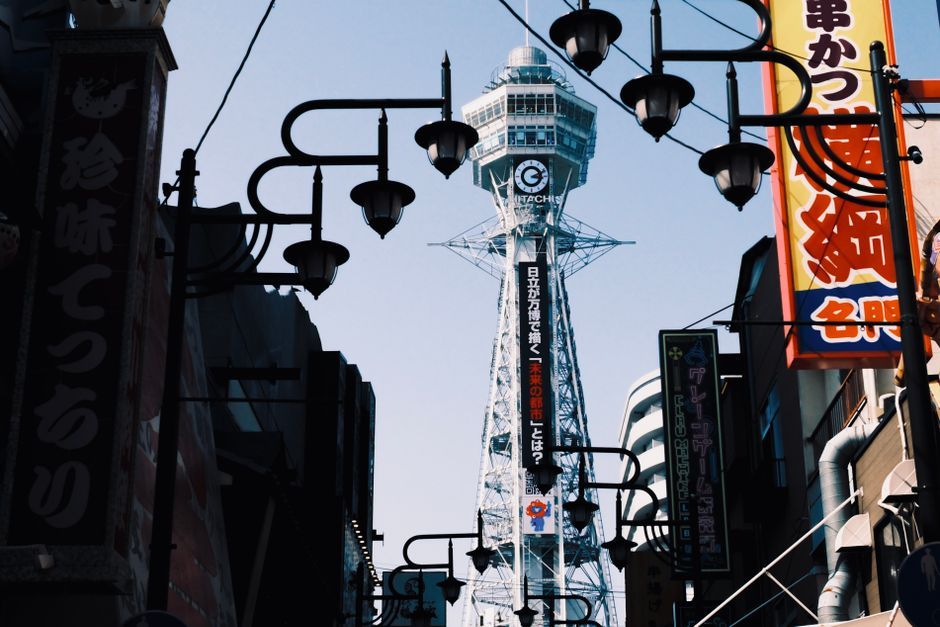
Japan — entire restaurant formats exist for solo diners. Counter seating, ticket machines, individual booths with partitions at some ramen chains. Eating alone is completely unremarkable.
Spain — bar culture means standing or sitting at the counter is normal at any hour, and tapas are designed for it.
Italy — lunchtime restaurants are full of people eating alone.
Southeast Asia — street stalls and food courts, where nobody registers a solo diner at all.
France — the counter at a café, and lunch generally.
Where it is harder: cultures where dinner carries strong family or group weight, and where restaurants are set up around large tables.
The tactics that work
Sit at the counter or the bar. This is the single most useful move. It is where solo diners are normal, it is where conversation is possible if you want it, and it avoids a two-person table with an empty chair.
Eat lunch as the main meal. More casual, cheaper, full of people eating alone on work breaks, and the fixed-price lunch menus across Europe are built for it.
Go slightly earlier than the local peak, when the room is quieter and staff have time.
Bring something to read. Universally understood and nobody thinks anything of it.
Markets and food halls, where eating standing at a counter is the format.
The one to build up to
A proper dinner, alone, at a good restaurant.
Most people find the first one uncomfortable and the third one entirely fine. Staff are used to it, and a solo diner at a counter frequently gets more attention and better conversation than a table of four.
Booking helps — arriving with a reservation removes the moment of explaining you are one.
What to avoid
Eating in the hotel room every night. It is the easy option and it is also how a solo trip becomes lonely rather than solitary.
Only eating at tourist-facing places, which are the least interesting food and the least interesting rooms.
Where it turns into meeting people
Counter seating puts you next to strangers by design.
Communal tables in beer halls, markets and some restaurants.
Food tours, which are small and conversational and exist partly for this.
Cooking classes, which end in everyone eating together.
Standing bars — Spanish, Japanese, Italian — where the format is conversation with whoever is next to you.
The reframe that helps
Eating alone in a restaurant is normal for local people everywhere. Office workers, people on their own, people who live alone.
The conspicuousness is almost entirely internal, and it fades within a week of doing it daily.