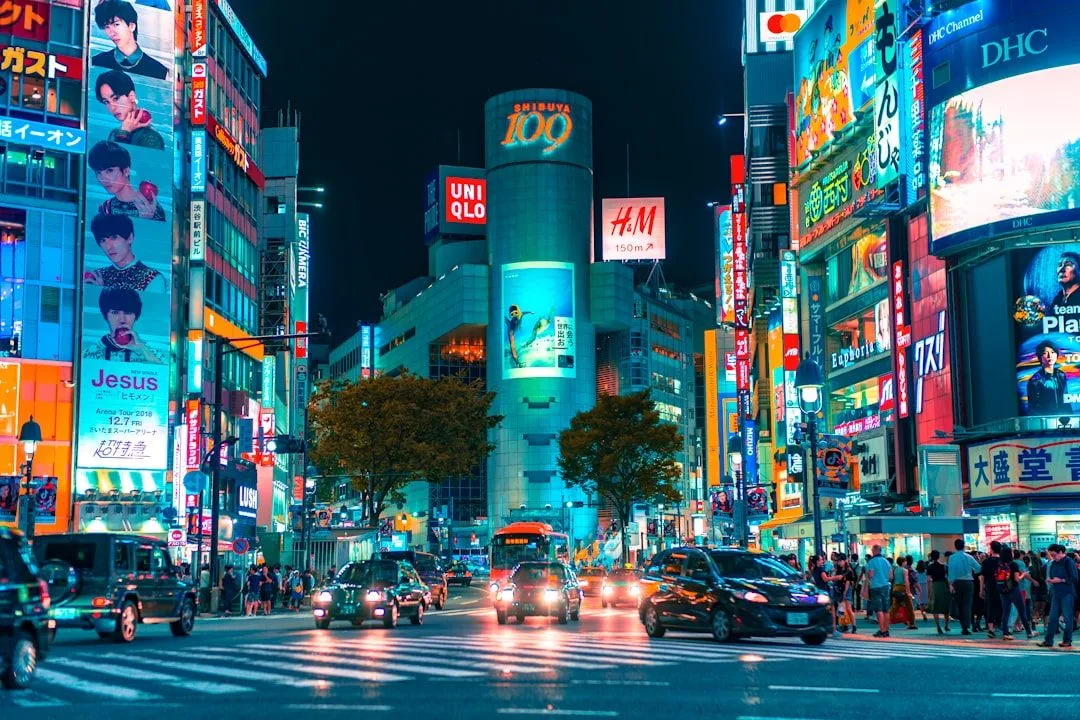
Japan's crime rate is low enough that the usual safety conversation does not apply. The practical considerations are transport, weather and navigation.
The last train
The most common problem solo travellers actually encounter.
Trains stop around midnight and do not resume until roughly 5am, with no night service in most cities.
Missing it means an expensive taxi, a capsule hotel, or an all-night café — which is why manga kissa internet cafés with private booths exist and are used for exactly this.
Check the last train from where you are before the evening starts, not at 11:40pm.
Natural hazards
Earthquakes — phones sold in Japan receive emergency alerts automatically, and buildings are engineered for them. Accommodation will have evacuation information; read it on arrival.
Typhoons, roughly June to October, which suspend trains and flights with a day's notice.
Heat in July and August, which is genuinely dangerous — heatstroke cases are common and warnings are issued.
Snow in the north and the mountains.
The national broadcaster and the meteorological agency publish English-language information, and official disaster prevention apps aimed at visitors exist.
Nightlife districts
Broadly safe, with one specific issue.
Touts outside bars in areas like Kabukicho, who lead people to unmarked upstairs venues where the bill turns out to be very large.
Reputable places do not recruit on the street. That makes the rule simple: do not follow anyone anywhere.
Golden Gai and similar alley bars are fine — you walk in yourself, and many post their cover charge at the door.
For women specifically
Women-only carriages operate on some lines at certain hours and are marked on the platform.
Women-only floors are common in capsule hotels and some business hotels.
Groping on crowded trains is a documented problem that Japanese authorities have taken measures against, which is why the carriages exist. Reporting it to station staff is the expected response.
Lost property
Worth knowing because the system genuinely works.
Report it at the nearest koban — the small neighbourhood police box — or to station or venue staff.
Lost items are routinely handed in and returned in Japan to a degree that surprises visitors. Wallets and phones are recovered regularly.
Getting lost
Japanese addresses are block-based rather than street-based, which makes them hard to navigate by intuition.
Use station exits as reference points — they are numbered and lettered, and directions are usually given from them.
Koban officers give directions and expect to.
Download offline maps, since underground station complexes are large and signal is patchy.
Practical points
Cash still matters at small restaurants and shrines; 7-Eleven ATMs take foreign cards.
Carry your passport — foreign visitors are legally required to have it available, and police occasionally ask.
Medical care is excellent and expensive without insurance. Check your policy covers Japan properly.
Tattoos can bar entry to onsen and public baths, which is a rule rather than a suggestion at many.