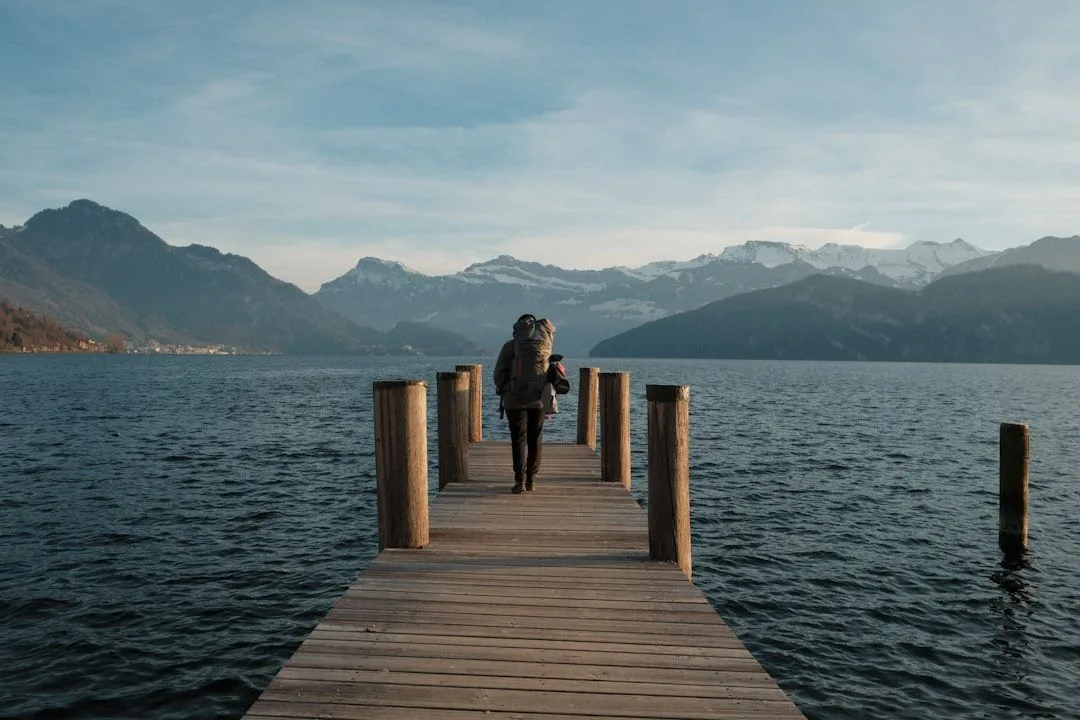
Solo travel safety is discussed as though it were about danger and destinations. In practice it is a set of unglamorous habits, and the risks that actually materialise are not the ones people worry about.
The realistic risk order
1. Road accidents, particularly on scooters and motorbikes. This is by a large margin the most common cause of serious injury to travellers, and the licence question determines whether insurance pays.
2. Theft — opportunistic, in crowds and on transport.
3. Illness or injury with nobody to help, which is the genuine solo-specific risk.
4. Alcohol-related incidents, which underlie a large share of everything else.
Violent crime against travellers is rare relative to these, and it dominates the conversation.
The habits
Share your plans with someone who will notice if you go quiet. Accommodation addresses, routes for any hiking, and a rough check-in rhythm.
This costs nothing and it is what search and rescue and consular services actually work from.
Arrive in daylight where you can. The first hour in an unfamiliar city at 11pm with luggage is the highest-risk hour of most trips.
Know the route from the station to the accommodation before arriving, and have it offline.
Split your money and cards across two places, and keep a photo of your passport somewhere retrievable.
Have a working phone — a local SIM or eSIM with data, not roaming you might switch off.
Accommodation
Read recent reviews specifically for comments about the area at night and the walk from transport. Photographs never show that.
A central location at a slightly higher price is usually the better solo choice, because it shortens the journey back after dark — which is worth more than the saving.
Ask reception which way to walk and which way not to. They will tell you plainly.
The illness scenario
The one that is genuinely different alone.
Insurance that covers the activities you will do, with the exclusions read rather than the summary.
Know where the nearest hospital is in each place you stay. It takes two minutes.
Carry a basic medical kit and any prescriptions with their documentation.
Tell your accommodation if you are unwell. Staff will check on you and this is the closest thing to a safety net alone.
The alcohol point
Underlies a large share of incidents and is worth stating plainly.
Drinking heavily alone in an unfamiliar place removes exactly the judgement that keeps solo travel straightforward, and many insurance policies void cover for incidents while intoxicated.
Watching your own drink being poured, and not leaving it, applies everywhere.
Scams
Mostly variations on a small number of patterns.
The site is closed — someone tells you a monument is shut and offers an alternative that ends at a shop. It is not shut.
The friendly stranger with a shop connection.
The distraction — spilled liquid, a dropped object, a petition — while a second person takes a bag.
Taxi meter refusal. Take another one.
Recognising the shape is enough; you do not need a list of every variant.
What is not necessary
Avoiding whole countries based on general reputation rather than current specific advice.
Anti-theft gadgets, mostly. Awareness in crowds does more than any bag.
Constant vigilance, which is exhausting and unnecessary. The habits above are meant to run in the background.