Portugal is small, cheap and connected by buses, which removes the three things that make solo travel in Europe expensive: the car, the distances and the accommodation.
No car required
Trains connect Lisbon, Porto and Coimbra on a fast, comfortable spine.
The national coach network reaches most towns, including the Algarve, the Alentejo and the smaller northern cities, cheaply and reliably.
The exceptions where a car genuinely helps: rural Alentejo, Peneda-Gerês, and the Algarve's west coast beyond the main towns.
Everything else works on public transport, which is the single biggest saving available to a solo traveller.
The hostel culture
Portuguese hostels consistently rank among the best in Europe for organisation and atmosphere — communal dinners, walking tours, bar nights.
Lisbon and Porto have the densest concentration, and both cities are small enough that hostel location barely matters.
Private rooms in hostels give the social access with a door that closes, at €45–70 rather than hotel prices.
Guesthouses (pensão, residencial) frequently have genuine single rooms, which is unusual in western Europe.
Eating alone
The tasca — a small, plain neighbourhood restaurant — is full of people eating alone at lunch.
The prato do dia is a full meal with wine for €8–12, and it is normally the best thing available.
Cervejarias and market counters work the same way.
The couvert — bread and olives brought unasked — is charged if eaten. Refusing it is normal.
Bifana from a counter is a €3 lunch standing up.
Where solo works well
Lisbon — hilly, walkable, with viewpoints that are free and the best evening hours in the country.
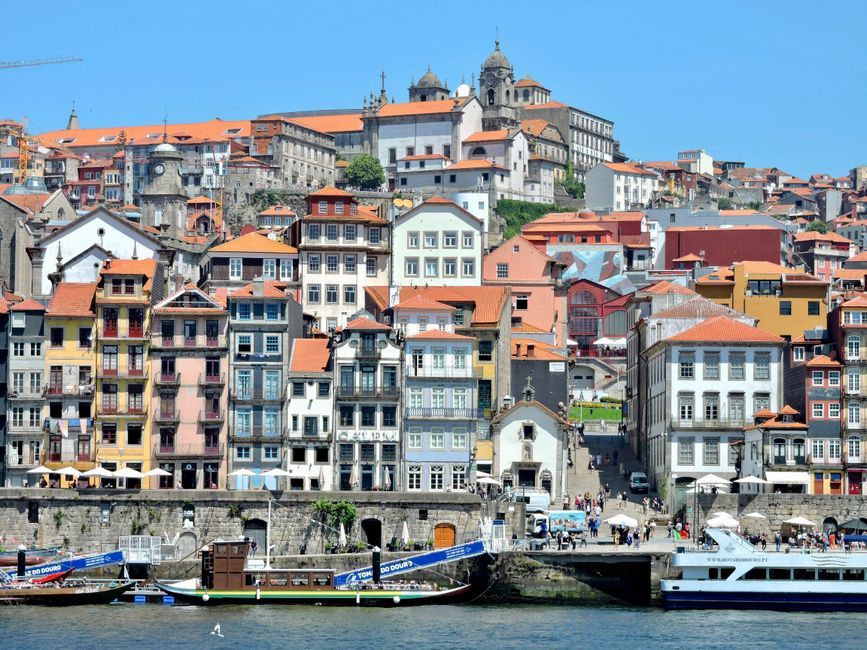
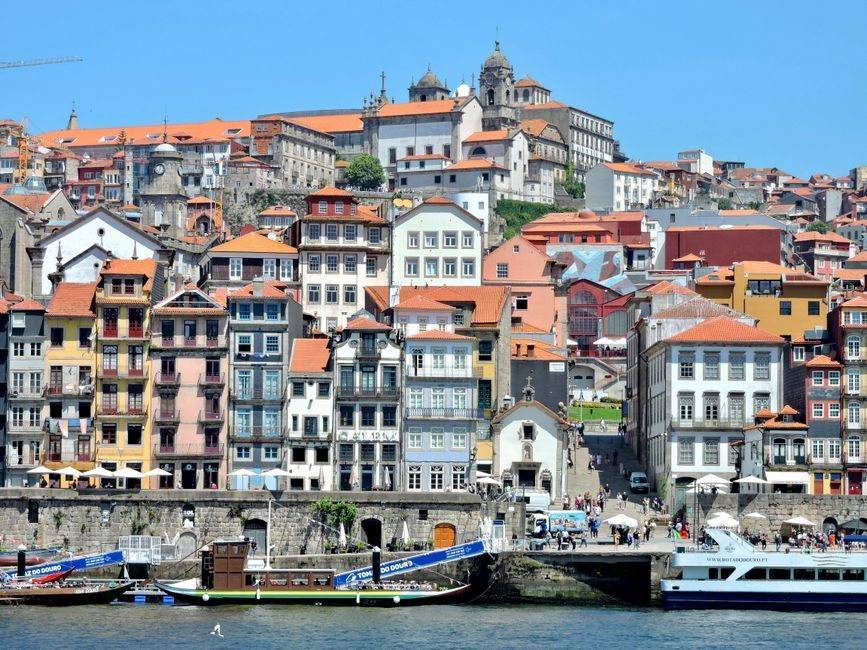
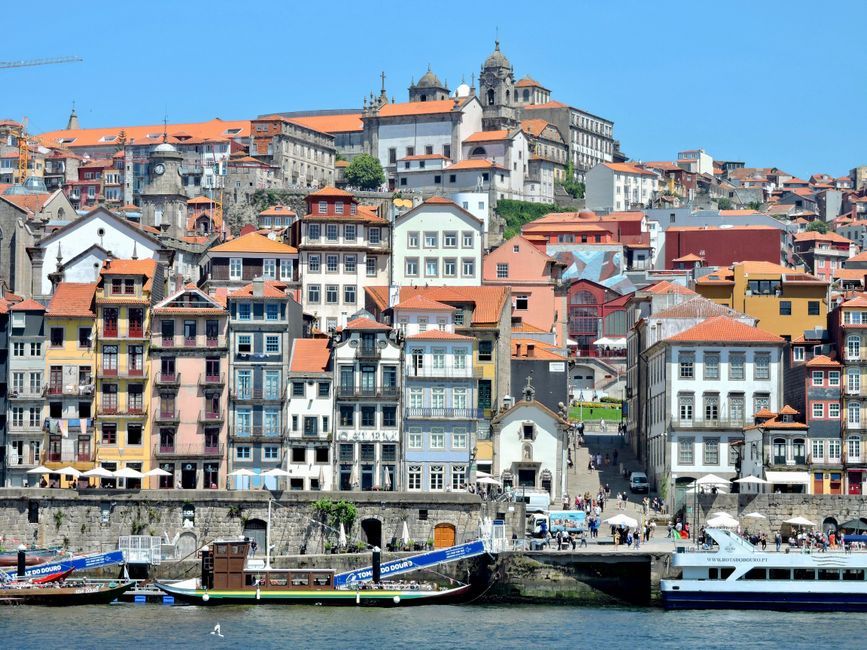
Porto — compact, cheaper, with the port lodges across the river and the Douro reachable by train.
Coimbra — a university city, very cheap, and central for the whole country.
The Rota Vicentina — the southwest coastal walking route, waymarked, with accommodation at the end of each stage. Excellent alone, and best in winter and spring.
Ericeira and Peniche for surf, which is naturally social.
The Azores, where the group tours for whale watching and hiking are per person.
The costs
| Item | Solo daily |
|---|---|
| Hostel dorm | €18–30 |
| Hostel private / guesthouse | €45–70 |
| Tasca lunch | €8–12 |
| Coffee standing | €0.80–1 |
| Coach between cities | €10–20 |
€50–70 a day is comfortable outside Lisbon in peak season.
Safety
Portugal is consistently among the safest countries in Europe.
The practical points: tram 28 in Lisbon is the main pickpocketing location — take tram 12 instead. The calçada paving is genuinely slippery in rain, and falls are a more likely injury than anything else.
Bairro Alto is loud until 3am, which matters when choosing where to sleep.
Practical
A Viva Viagem card in Lisbon covers metro, trams, funiculars and the Elevador de Santa Justa, which many visitors queue and pay tourist prices for.
Free walking tours in both cities, tip-based, and the most reliable first-day social move.
Book hostels ahead in summer; the good ones fill.