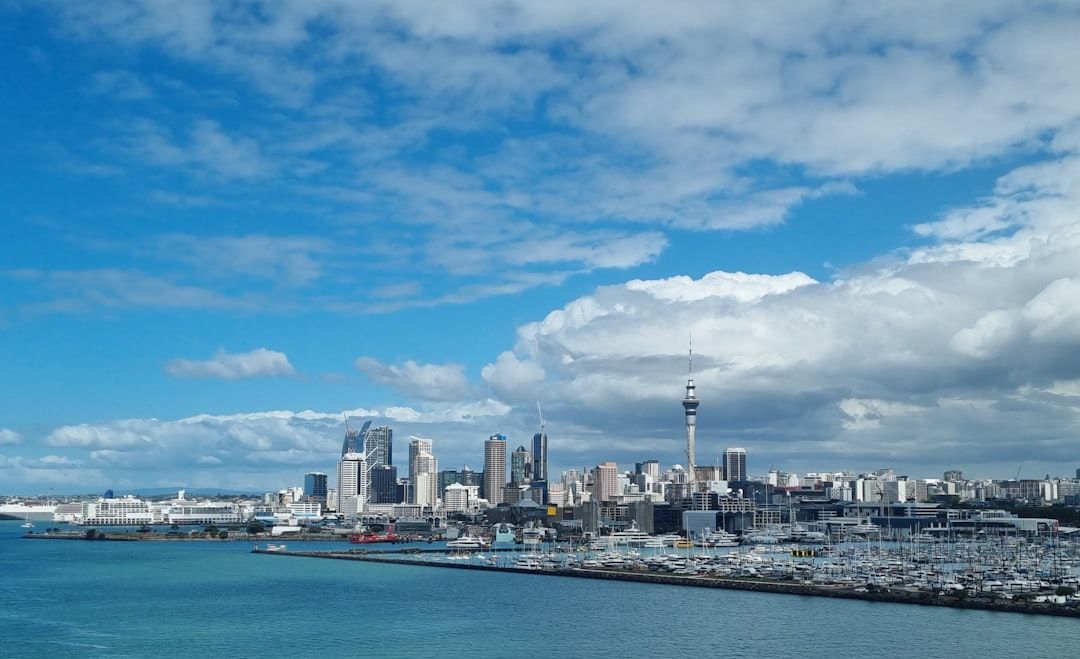
New Zealand's solo travel works for a structural reason: almost everyone is doing the same circuit in the same direction, which means you keep meeting the same people.
The circuit
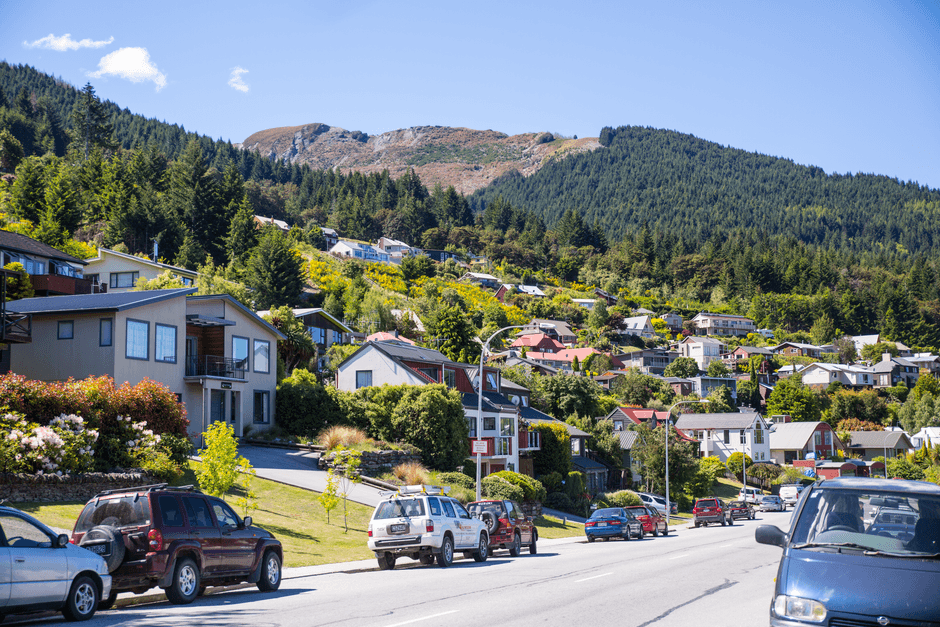
A standard route runs Auckland down through Rotorua and Taupō, across to Wellington, over to Picton, down the South Island through Nelson, the west coast glaciers, Wanaka and Queenstown, and back up via Christchurch.
Because everyone follows it, you run into the same travellers repeatedly over weeks. That is the social mechanism, and it requires no effort at all.
Getting around alone
Backpacker buses — hop-on-hop-off coach services on a fixed circuit with a flexible pass. Stay as long as you want at each stop and rejoin later.
They solve the transport problem without the cost of a car, and they are inherently social since the same people are on them.
Scheduled coaches for a cheaper, less social option.
Campervan, which is expensive for one person since the vehicle does not split — though it removes accommodation costs. Sharing with someone met at a hostel is common practice and the noticeboards exist for it.
Domestic flights are cheap and worth it for the long hops.
Hostels
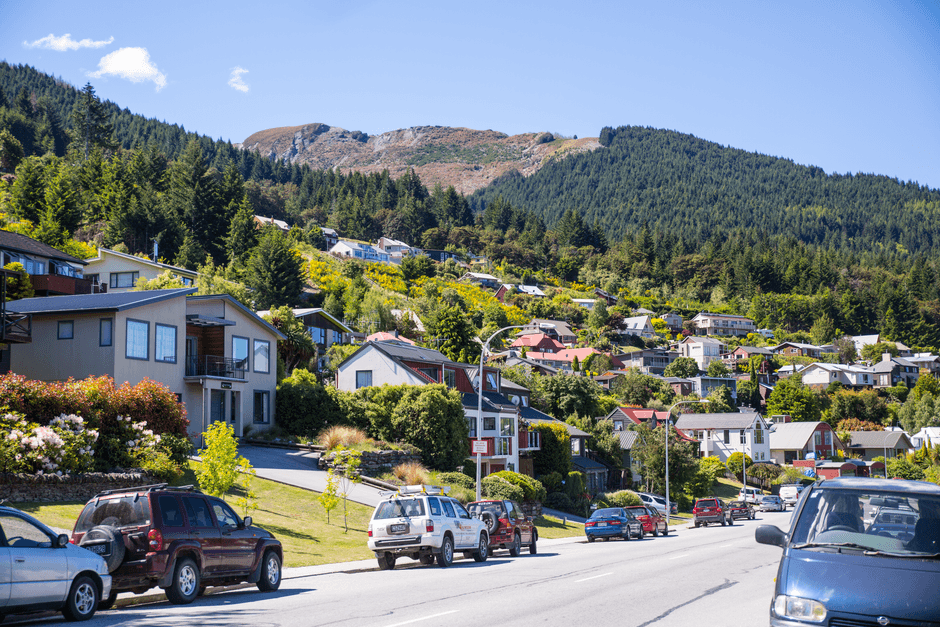
The network is dense, well-run and covers small towns as well as cities.
Many have private rooms alongside dorms, which gives the social access with a door that closes.
Holiday parks — campsites with cabins and shared kitchens — are the other cheap option and are everywhere.
Hiking alone
The genuine solo consideration.
River crossings are the leading cause of tramping deaths, and they are considerably more dangerous alone. Rivers rise fast after rain, and the rule is: if in doubt, wait. Huts are stocked on the assumption that people will sometimes be stuck.
Leave your intentions with someone who will raise an alarm, including your route and return date.
Carry a personal locator beacon on remote routes — they rent cheaply and mobile coverage is absent across most backcountry.
Great Walks are the safest solo multi-day option: maintained tracks, bridges, huts and other walkers.
What is genuinely better alone
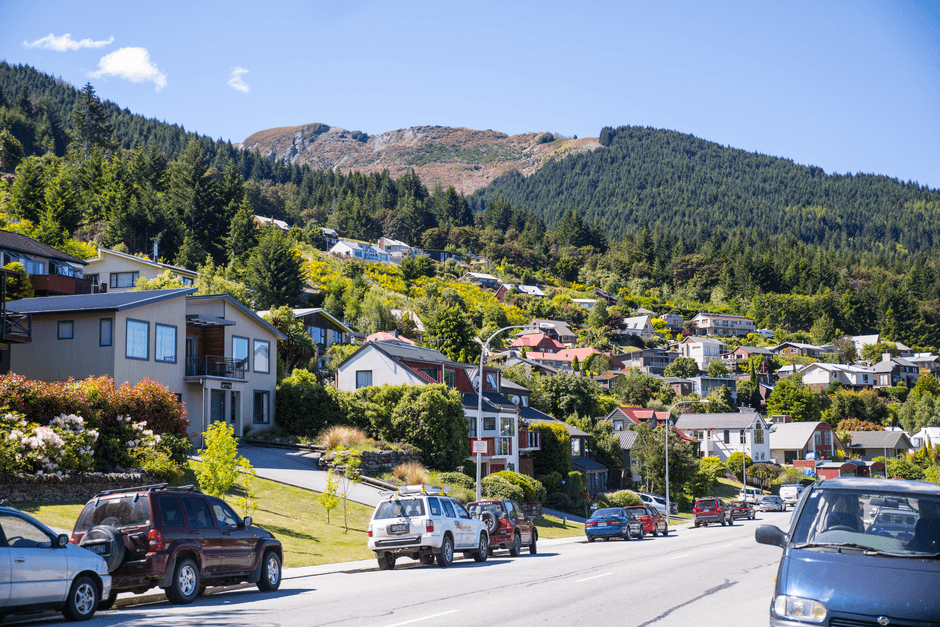
The adventure activities in Queenstown — bungy, skydiving, jet boats — are per person and sold to individuals.
Day walks, where you set your own pace.
The backpacker bus, which is designed for exactly this.
The costs
| Item | Solo daily |
|---|---|
| Hostel dorm | NZ$35–55 |
| Hostel private room | NZ$90–140 |
| Cooking from supermarket | NZ$20–30 |
| Café meal | NZ$20–30 |
| Backpacker bus pass | Varies by route length |
Cook. Every hostel and holiday park has a kitchen, and New Zealand eating out is expensive.
Practical
Working holiday visas are available to many nationalities under a certain age, which is why so many long-term solo travellers are there — and why the social scene is so established.
Sandflies on the west coast and in Fiordland are relentless. Repellent is not optional.
Book Great Walks the day bookings open, or plan around the alternatives.
Distances are longer than the map suggests — the South Island in particular takes far longer to cross than it looks.