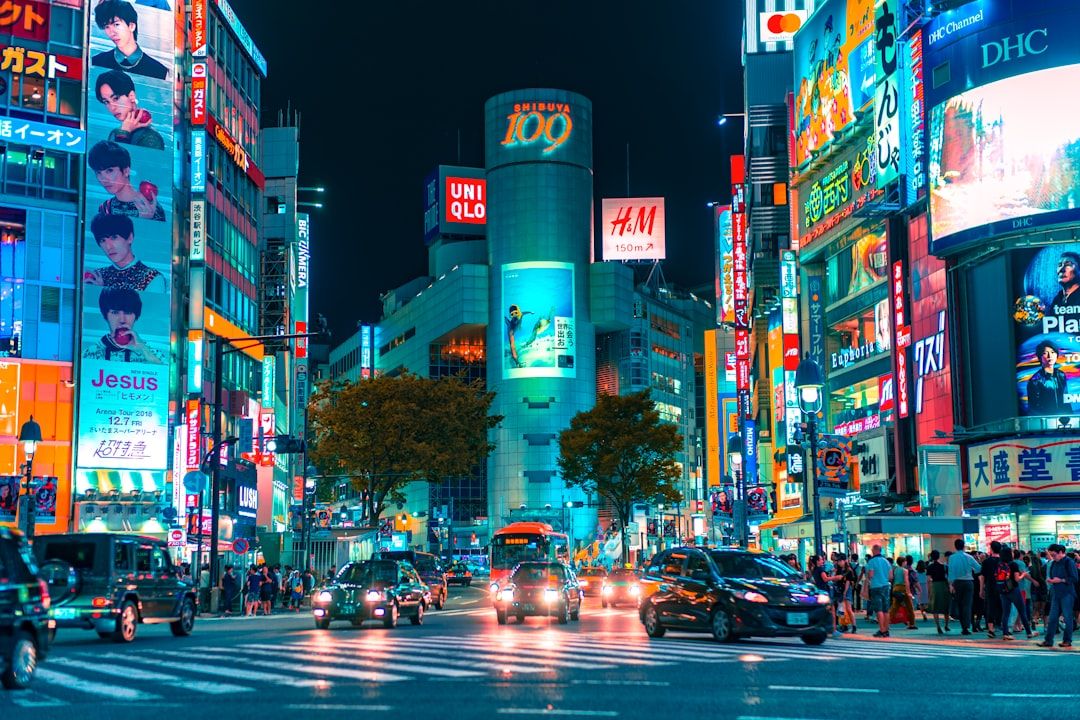
Japan is the easiest country in the world to travel alone, because it has infrastructure built specifically for people doing things by themselves rather than merely tolerating them.
Accommodation designed for one
Business hotels — compact hotels aimed at travelling workers, with small functional single rooms at genuine single prices.
Clean, reliable, always near a station, and typically ¥6,000–12,000 a night. This is why solo accommodation in Japan does not carry the usual penalty.
Capsule hotels — a bunk-sized pod with a shared bathhouse, at ¥3,500–6,000. Increasingly comfortable, and many now have women-only floors.
Hostels in the cities, which is where the social side happens.
Ryokan frequently charge per person including meals, which means the solo penalty is smaller than at a western hotel — though some have minimum-two policies worth checking.
Eating alone is the default
Counter seating is standard almost everywhere.
Ticket-machine restaurants — buy a meal ticket at the door, hand it over, sit down, eat, leave. No interaction required at all if you do not want it.
Some ramen chains have individual booths with partitions, which exist precisely so people can eat alone undisturbed.
Standing soba bars near stations for a two-minute lunch.
There is no social weight attached to eating by yourself at any meal, which removes the thing most solo travellers find hardest.
Transport removes the car question
The rail network reaches everywhere, which means no rental car — the worst-value solo purchase.
A Suica or Pasmo IC card for local transport.
Shinkansen seats available days ahead, and non-reserved cars on most services.
Luggage forwarding at around ¥2,000 moves your bag between hotels overnight, which matters more alone since there is nobody to watch it.
Safety
Crime rates are very low and lost property is routinely returned.
The practical points: women-only carriages operate on some lines at certain hours, and are marked. Nightlife districts in the largest cities have the usual issues around touts and drink pricing, and following someone into an unmarked upstairs bar is the specific thing to avoid.
Last trains around midnight, then nothing until roughly 5am — missing one alone means an expensive taxi or a capsule hotel.
Where the social side needs effort
The one gap. Japan has less backpacker-route socialising than Thailand or Vietnam.
Hostels with common areas, deliberately chosen.
Food tours, early in the trip — small, conversational, and they teach you to order for the rest of the stay.
Standing bars (tachinomi) and Golden Gai in Shinjuku, where the six-seat format is conversation by design.
Language exchange meetups in the larger cities.
Hostel-organised events, which are common and low-effort.
What a solo trip should include
An onsen, which is a solo activity by nature. Note tattoos can bar entry; private-bath options exist.
A long walk in one neighbourhood — Yanaka, Shimokitazawa, Kagurazaka — which is better alone than with anyone.
A counter meal somewhere small, which is the format Japan does best.
A day trip — Kamakura, Nikkō, Nara — all easy by train.
Practical
Cash still matters; 7-Eleven ATMs take foreign cards.
Book business hotels ahead in peak seasons; they fill with domestic travellers.