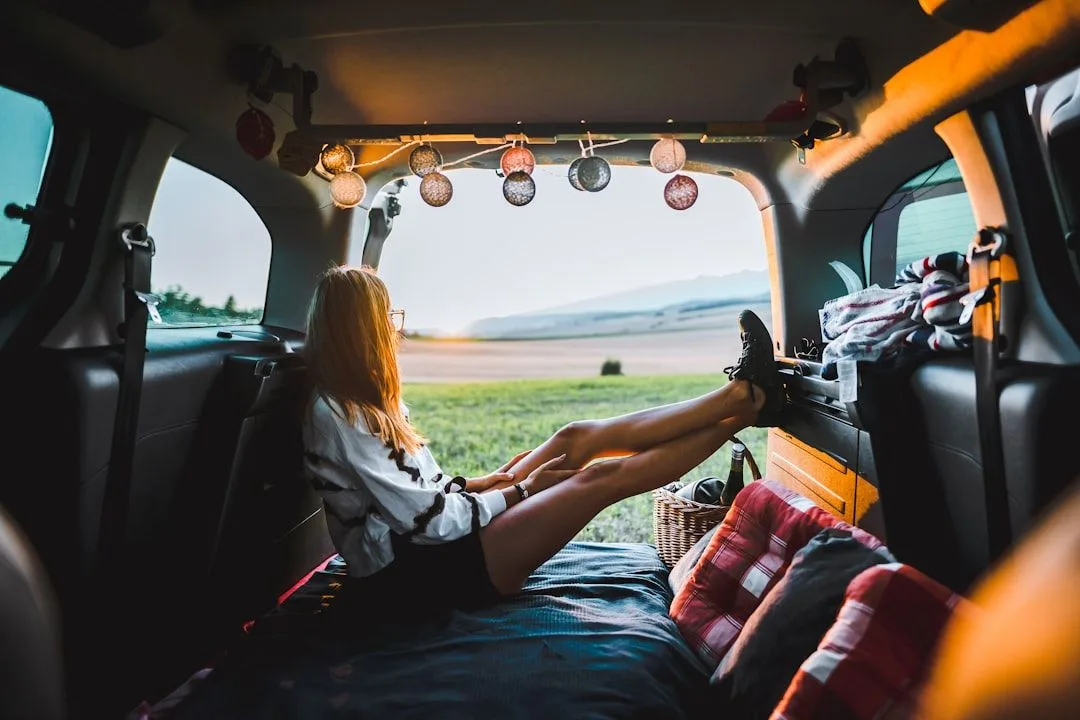
Iceland is straightforward to travel alone in every respect except the one that costs money: the country is built around a rental car, and one person pays for all of it.
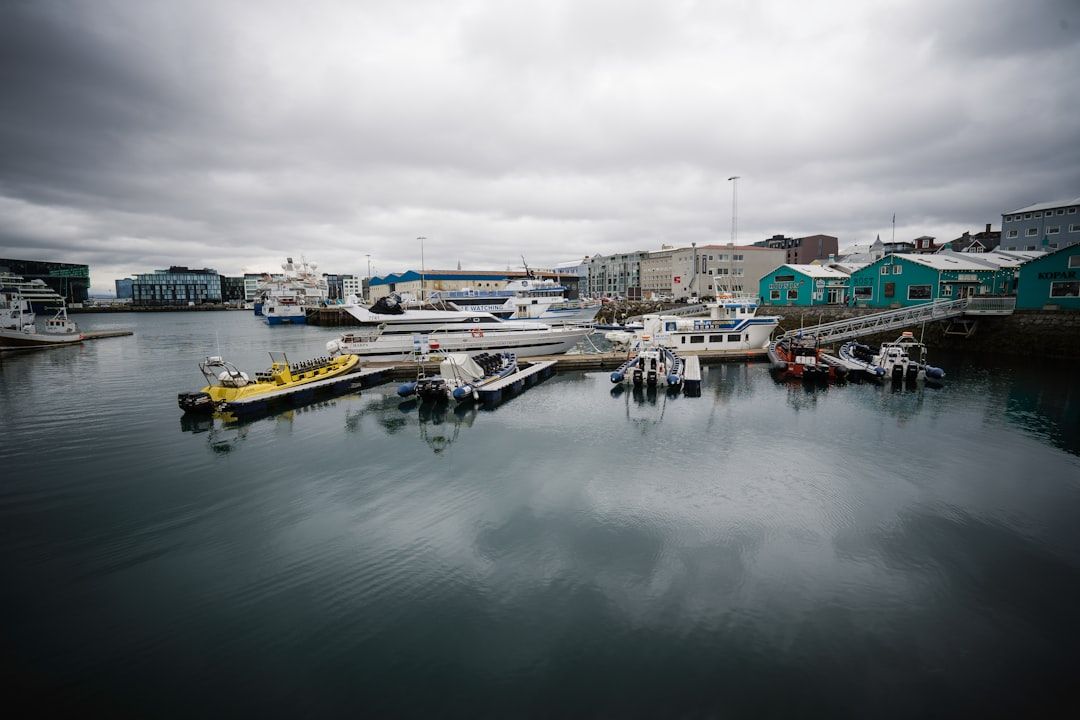
The car problem
€60–150 a day plus fuel, which over ten days frequently exceeds the flights.
It does not split, and it is the single largest cost of a solo Icelandic trip.
The alternatives:
Scheduled buses along the south coast and to the Golden Circle, running seasonally.
Day tours from Reykjavík, which reach most of the well-known sites and are priced per person — which is exactly the pricing solo travellers want.
Organised multi-day tours for the Ring Road and the highlands.
Sharing a car from a hostel, which is a well-established practice and the reason Icelandic hostel noticeboards exist.
What works well alone
Reykjavík as a base with day tours. No car, everything per person, and back to the same bed each night.
The south coast, the Golden Circle, Snæfellsnes, glacier walks, ice caves, whale watching and aurora hunting all run as day trips.
Guided activities — glacier walking, ice caves and Silfra snorkelling — are guided anyway, so there is no solo penalty and they are naturally social.
Hostels, which exist across the country including along the Ring Road, and are where you meet the people to share a car with.
The safety picture
Crime is among the lowest in the world and is not the concern.
The hazards are environmental, and they are more consequential alone:
Weather changes within hours, and roads close with little warning. Check road.is and vedur.is every morning.
Wind strong enough to tear a car door off, and to knock a person over at exposed viewpoints.
Unfenced cliffs and cold water. Reynisfjara's beach has sneaker waves that have killed people; the warning signs are not decorative.
Tell someone your plans, and use the national safety travel registration service where you are going somewhere remote.
The costs, honestly
| Item | Solo daily |
|---|---|
| Hostel dorm | €45–70 |
| Guesthouse single | €90–150 |
| Cooking from Bónus | €15–20 |
| Restaurant main | €30–45 |
| Day tour | €80–200 |
Cook. Bónus and Krónan cost a fraction of restaurants and every hostel has a kitchen. This is the largest saving available.
Tap water is excellent — buying bottled is money wasted.
Municipal geothermal pools cost a few euros and are where Icelanders actually go, unlike the Blue Lagoon.
Season
Summer — everything open, midnight sun, buses running, highest prices.
September and early October — roads open, darkness returning for aurora, prices below summer. The best solo compromise.
Winter — ice caves and aurora, four to five hours of daylight, and driving conditions that are a genuine consideration alone. Tours are the sensible option.
Practical
Reykjavík is small and everything is walkable, which suits a solo base.
Book tours a day or two ahead in summer; they fill.
Icelanders speak excellent English, which removes the language variable entirely.