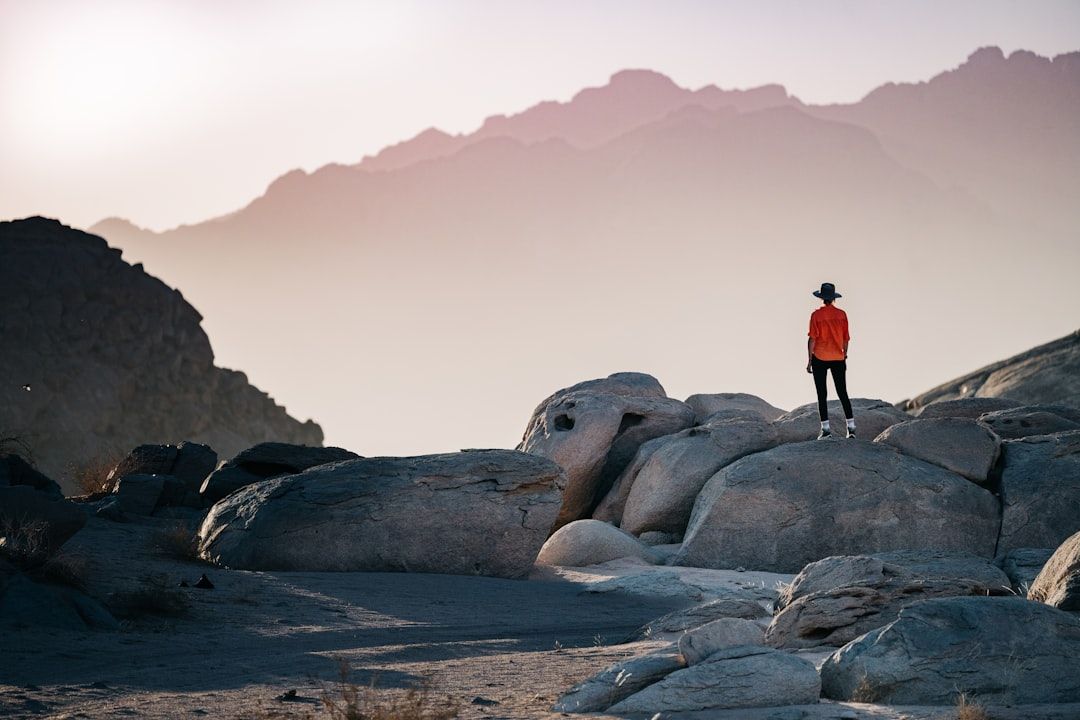
A first solo trip is a skill as much as a holiday. It gets substantially easier around day four, which means the main planning job is getting through the first three.
Make it about a week
Long enough to get past the initial awkwardness. Short enough that a poor destination choice is not a month-long commitment.
A weekend is too short to reach the point where it becomes comfortable, which means it ends while still feeling strange.
Choose somewhere easy
The five features that matter:
Public transport that works, removing any need to drive.
Accommodation for one — hostels, or genuine single rooms.
A culture where eating alone is unremarkable.
A manageable language situation.
Other solo travellers around, which means a hostel city.
Portugal, Japan, Thailand and New Zealand are the standard answers for good reasons. Add Spain, Slovenia and Vietnam.
The first-day plan
Book the first two nights and arrive in daylight.
Book one activity for the first full day — a free walking tour is ideal, since it orients you and puts you among people at once.
Choose where you will eat on the arrival evening before you fly. Standing in an unfamiliar street at 9pm deciding where to eat is how first evenings go wrong.
Beyond that, leave it open. A fixed itinerary removes the flexibility that makes solo travel worth doing.
The second-day slump
Almost everyone experiences it and almost nobody expects it.
The arrival adrenaline has gone and no routine has formed. It feels like the trip was a mistake.
It is not. It passes, usually within a day.
The fix is to have something booked for that day — a walking tour, a cooking class, a group activity — which carries you through rather than leaving you in a room.
Pace is the main variable
Three or four nights per place, not two.
Moving constantly alone means permanently arriving somewhere unfamiliar with nobody to talk to, and repeating the hardest part of solo travel every 48 hours.
Loneliness on solo trips is usually a symptom of moving too fast rather than of being alone.
The social moves that work
Hostels with common areas, even if you take a private room. The private room is for sleeping; the common room is why you booked there.
Free walking tours, where people frequently continue to lunch afterwards.
Cooking classes and food tours, which are small and end with everyone eating together.
Counter seating at restaurants and bars.
A day trip in a group, which is several hours with the same people.
What to expect that nobody says
You will do less than you would with someone, because there is nobody pushing you out of the door. This is fine.
You will talk to more strangers, because you are approachable in a way a pair is not.
Photographs of yourself become rare, and asking someone is easier than it sounds.
Decisions become easy, which is the actual pleasure of it — no negotiation about lunch, museums or when to get up.
The practical minimum
Tell someone your plans and check in occasionally.
Insurance covering what you will actually do.
A working phone with local data.
Money split across two places.