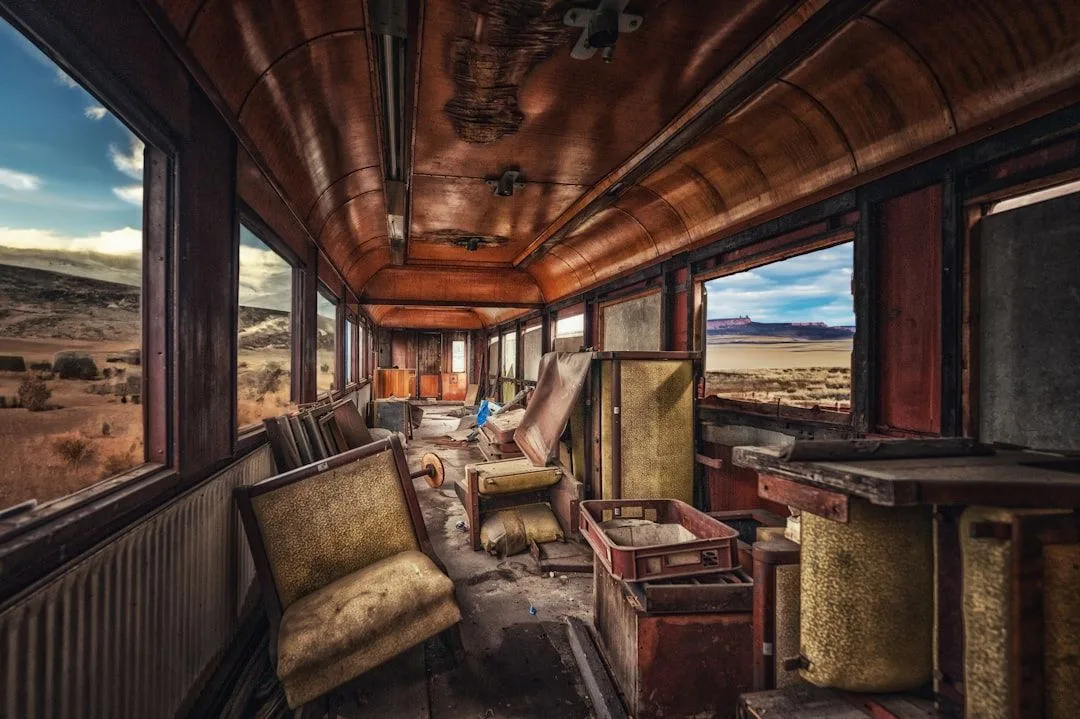
Europe alone splits cleanly: the cities where hostel culture does the social work for you, and the countryside where neither the accommodation nor the transport is designed for one person.
The rail pass question
It depends entirely on the route, and the default assumption that a pass saves money is frequently wrong.
A pass wins for frequent, long, flexible journeys where you want to decide the day before.
Advance point-to-point tickets win on a fixed itinerary — fares in France, Spain, Italy and Germany booked three to eight weeks out can be a third of the walk-up price.
The catch: several high-speed services require paid seat reservations on top of a pass, and in France, Spain and Italy these are compulsory and add up. A pass does not mean free travel on those.
Price your actual route both ways before buying.
Night trains
Particularly good value alone, because they save a night's accommodation and a travel day at once — a double saving when one person pays for the bed.
The network has expanded again in recent years, with couchettes typically €40–90.
Booking early matters; the cheap berths go first.
The hostel cities
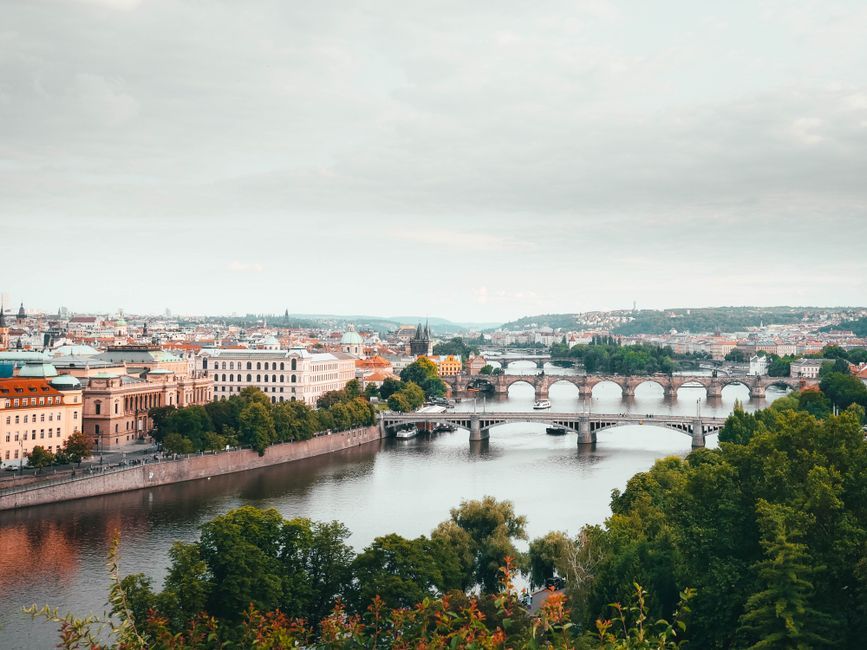
Where hostels organise dinners, walking tours, pub crawls and day trips — which is the entire social infrastructure of a solo trip.
Lisbon and Porto, which consistently have the best-run hostels in Europe.
Kraków and Budapest, cheap and dense.
Berlin and Prague.
Barcelona and Valencia.
Ljubljana, small and easy.
In these places you meet people without trying.
Where it is harder
| Region | The problem |
|---|---|
| Dordogne, Tuscany, rural Ireland | Self-catering houses, car needed |
| Scottish islands, Norwegian fjords | Car or infrequent transport, few hostels |
| Alpine villages off the hut network | Rooms priced for two |
| Scandinavian cities | Cost, and thin hostel supply |
None are impossible. They cost more and require more deliberate social effort.
What works in the countryside alone
Hut-to-hut walking — the Alps, Dolomites, Pyrenees and Norway. Huts are dormitory-based, priced per person, and full of other walkers. This is the rural format that works.
The Camino, where the albergue system and the shared direction of travel make it one of the most social things in Europe.
Long-distance coastal paths — the GR34 in Brittany, the Rota Vicentina in Portugal, the South West Coast Path — with accommodation at each stage.
The costs
| Tier | Solo daily |
|---|---|
| Kraków, Budapest, Porto | €45–65 |
| Lisbon, Prague, Valencia | €55–80 |
| Berlin, Madrid, Rome | €70–100 |
| Paris, Amsterdam, London | €95–140 |
| Copenhagen, Zurich, Oslo | €120–180 |
Hostel dorm, food including one meal out, transport and one paid sight.
Practical
Free walking tours on the first morning in any city — tip-based, and the most reliable way to orient and meet people at once. Budget €10–15.
Stay three or four nights rather than two. Moving constantly alone means permanently arriving somewhere with nobody to talk to.
Off-season cuts costs 30–50% and hostels are quieter, which cuts both ways socially.