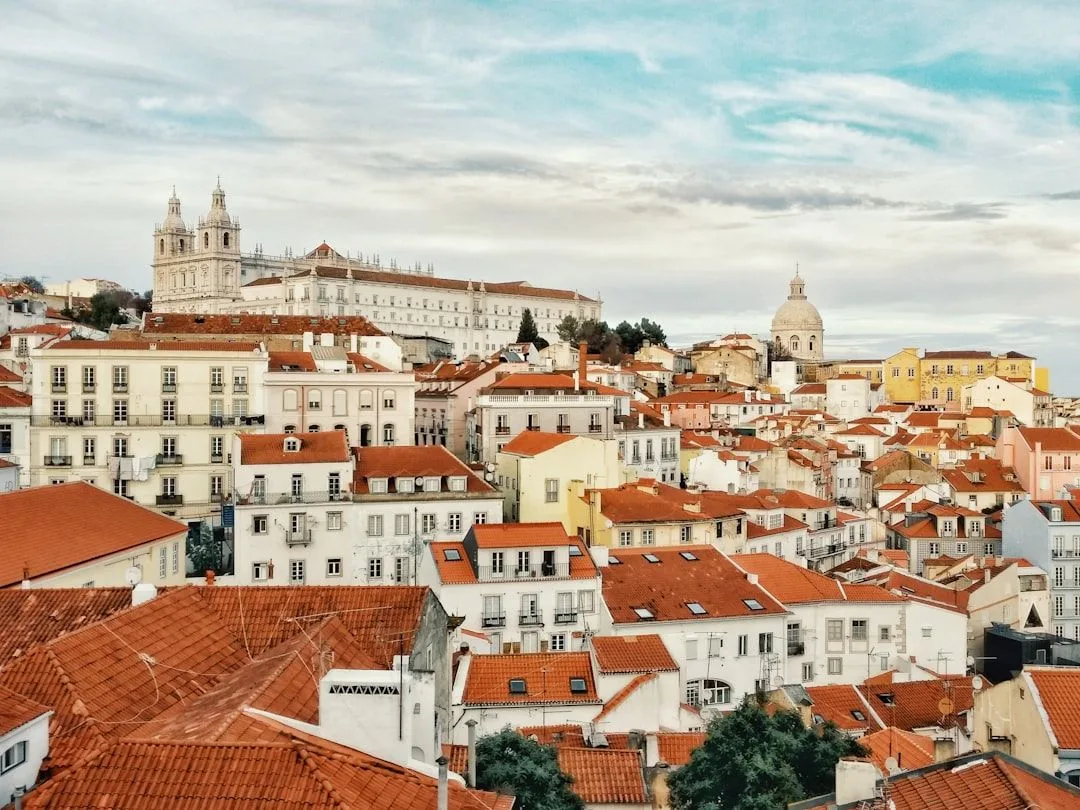
Portugal is one of the easiest countries in Europe to meet people in alone, and the reason is structural: the hostels do the work for you.
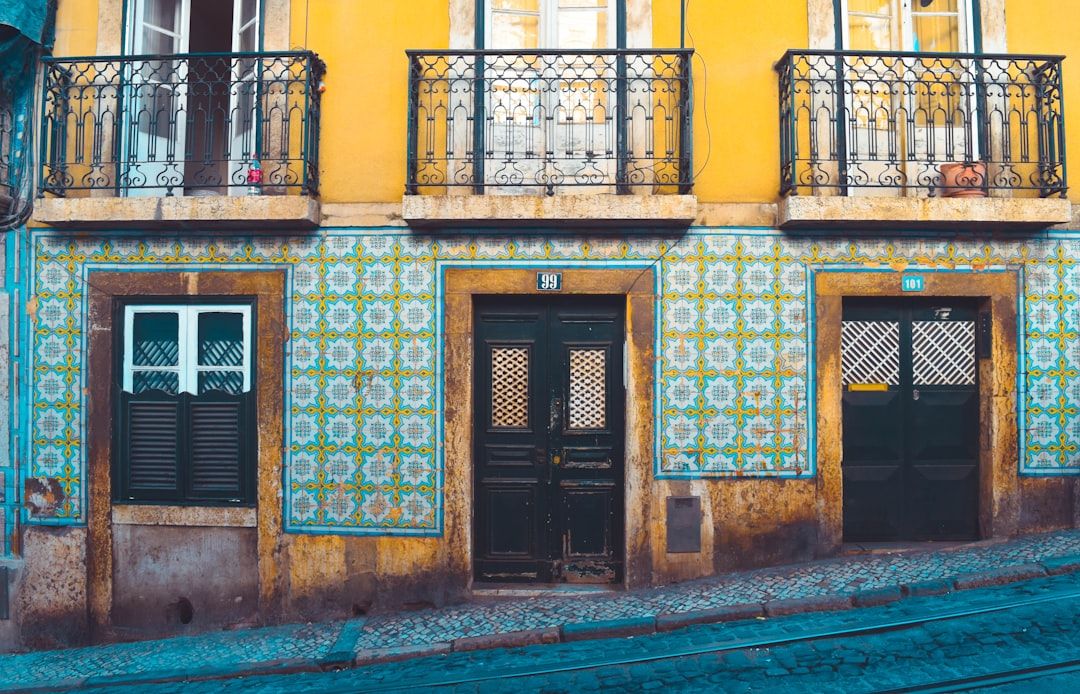
The hostel culture
Portuguese hostels consistently rank among the highest in Europe, and it is not about the buildings.
Many run communal dinners as standard — a cooked meal, everyone at one table, at a few euros a head. That single format does more socially than anything else in travel.
Plus walking tours, bar nights and day trips organised in-house.
Lisbon and Porto have the densest supply, and both cities are small enough that location barely matters.
Take a private room if you want — the common areas are why you booked there, not the dorm.
Surf camps
Among the most reliably social formats in travel.
Everyone arrives alone, shares accommodation and meals, and spends the days doing the same thing badly, which removes the awkwardness entirely.
Ericeira, a World Surfing Reserve with a concentration of breaks. Peniche, with heavier waves. The Algarve's west coast around Sagres and Lagos.
A week is the standard unit and no experience is needed.
The Camino Português
The Portuguese route to Santiago, with the coastal variant from Porto taking about two weeks.
The mechanism is the same as the Spanish routes: everyone walking the same direction at roughly the same pace, staying in the same albergues, meeting repeatedly over days.
It is one of the most socially reliable things you can do alone in Europe, and it requires no arranging beyond starting.
Language exchanges
Weekly meetups in bars, free, in Lisbon, Porto, Coimbra and Braga.
This is the format that gets you meeting Portuguese people rather than only other travellers, which the hostels do not.
Half the evening in each language, and everyone is there for the same reason.
The walking routes
The Rota Vicentina — the Fishermen's Trail along the southwest coast, waymarked, with accommodation at each stage.
Walkers overlap at the guesthouses, and the route is best in winter and spring when the coast is empty and the temperature suits walking.
The everyday formats
Free walking tours in both cities, tip-based, where people frequently continue to lunch afterwards.
Tascas at lunch — small neighbourhood restaurants full of people eating alone, with counter seating and shared tables.
Fado in a small Alfama or Mouraria house, where the room is twenty people and silence is expected during the singing.
Football, which is a national conversation and a reliable way into one.
The practical costs
| Item | Cost |
|---|---|
| Hostel dorm | €18–30 |
| Hostel communal dinner | €8–12 |
| Surf camp, week | €350–600 |
| Albergue on the Camino | €10–20 |
| Language exchange | Free |
Practical
Book hostels ahead in summer; the well-run ones fill.
Portuguese people speak excellent English, which removes the barrier and also means Portuguese is harder to practise than you expect.
Stay three or four nights per city rather than two. The social side needs a day to start.