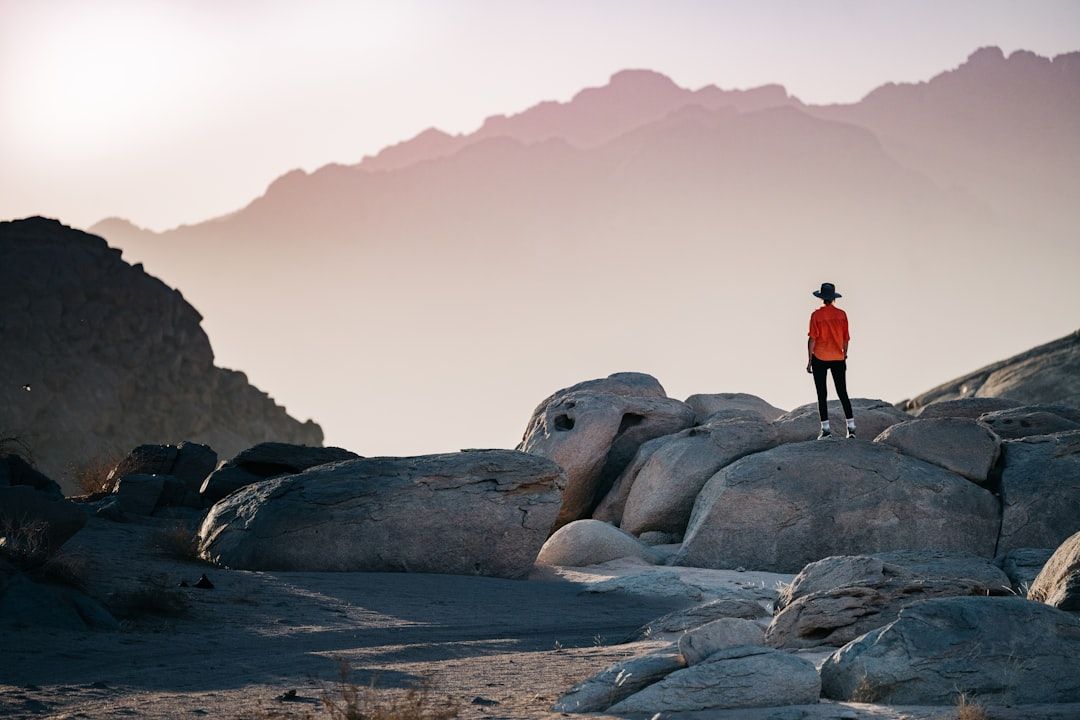
Solo-friendliness is not a vibe. It is a set of specific infrastructure features, and countries either have them or do not.
The five features
1. Public transport that works, removing any need to drive — which is the worst-value purchase for one person.
2. Accommodation for one — genuine single rooms, hostel dorms, or private rooms in hostels.
3. An eating culture where solo is unremarkable — counters, bars, food halls, lunch places.
4. A practical language situation — enough English, or a script and signage system you can work with.
5. Social infrastructure — hostels, group tours, free walking tours, and other people travelling alone.
The countries that have all five
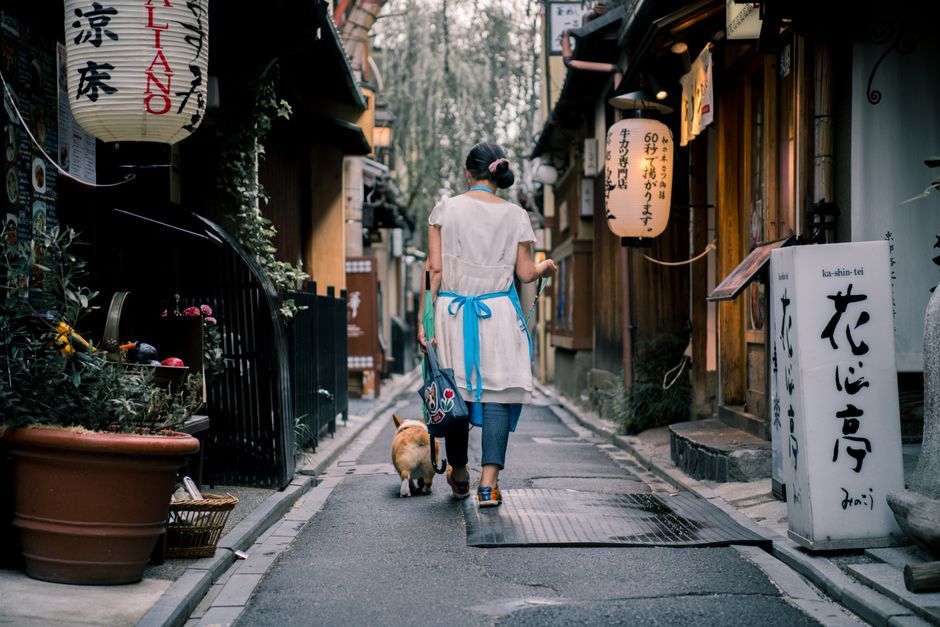
Japan — arguably the best in the world. Business hotels and capsule hotels built for single occupancy, counter seating everywhere, a rail network that removes driving entirely, very low crime, and signage that is bilingual on all transport.
The one gap is the social side, which is thinner than in backpacker countries — the fix is hostels and food tours.
Portugal — cheap, small, excellent hostel culture, walkable cities, and buses and trains that reach everywhere.
Thailand — the most established backpacker infrastructure anywhere, cheap private rooms, street food where nobody notices a solo diner, and a constant supply of other solo travellers.
New Zealand — organised outdoor travel, hostel network, backpacker buses, and everyone doing the same route in the same direction.
Vietnam — cheap, a well-worn north-south route, and a dense hostel network.
Spain — bar culture, cheap trains and buses, and a walking-city format.
The ones that are harder, and why
| Destination | The friction |
|---|---|
| Rural France, Italy, Ireland | Car needed; accommodation is houses |
| Scandinavia | Cost, and rooms priced for two |
| Safari destinations | Steep single supplements |
| Island resorts | Priced and designed for couples |
| Very remote regions | No margin if something goes wrong |
None are impossible. They cost more and require more arranging.
The social question
The thing that most determines whether a solo trip feels good.
Countries with an established backpacker route — Thailand, Vietnam, Portugal, Peru, New Zealand — have a constant flow of people in the same position, and meeting them requires no effort.
Countries without one — Japan, most of Europe outside the hostel cities, much of Latin America — require deliberate moves: hostels with common areas, free walking tours, food tours, cooking classes, language exchanges.
Both work. The second needs a plan.
For a first solo trip
Somewhere with all five features, and preferably somewhere small.
Portugal, Japan, Thailand or New Zealand are the standard answers for good reasons.
Start with a week, not a month. The first solo trip is a skill as much as a holiday, and it gets much easier by day four.
The one that matters more than the country
Stay longer in fewer places.
Moving every two days alone means permanently arriving somewhere unfamiliar with nobody to talk to. Three or four nights in each place is where solo travel starts working.