France is one of the harder European countries to travel alone, and the reason is structural: its most rewarding regions are rural, and rural France runs on cars and houses.
Why the countryside is hard alone
Accommodation is gîtes and self-catering houses, priced for a group and paid for by one person.
A rental car is necessary, since rural bus services are sparse and thin further outside school terms.
Both costs fall entirely on you, and there is no hostel infrastructure to provide company.
The Dordogne, the Luberon, Brittany's interior and the Loire are all excellent and all expensive alone.
The cities that work
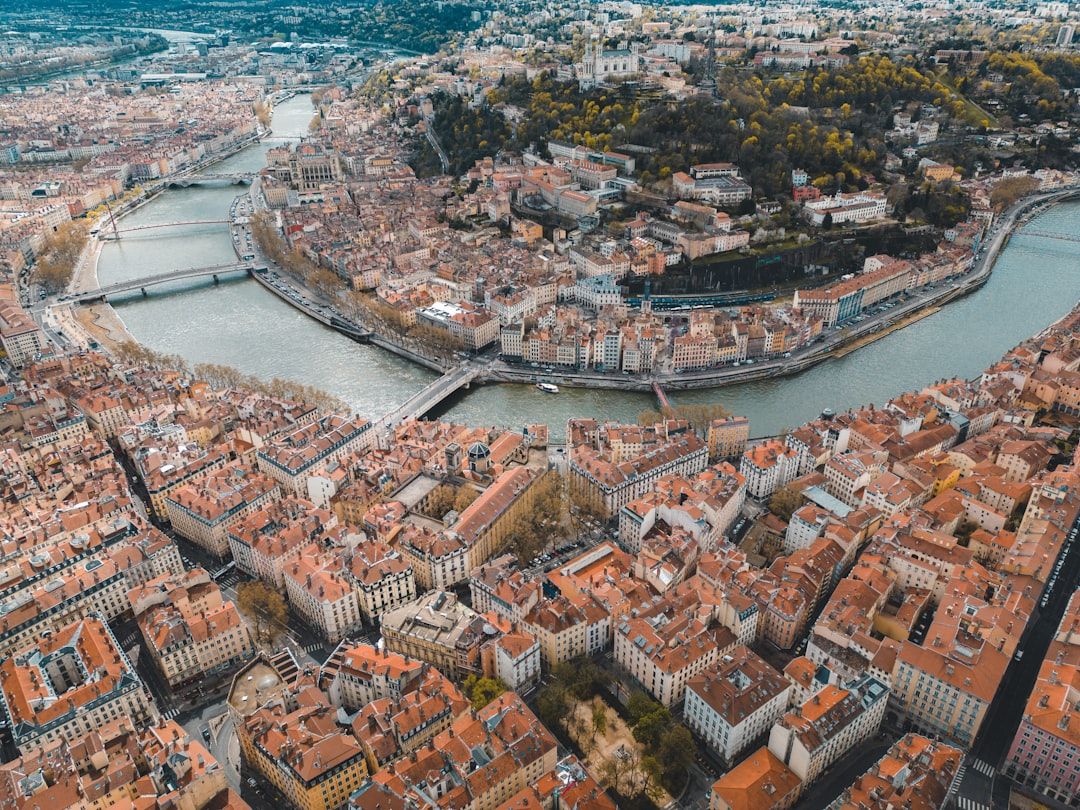
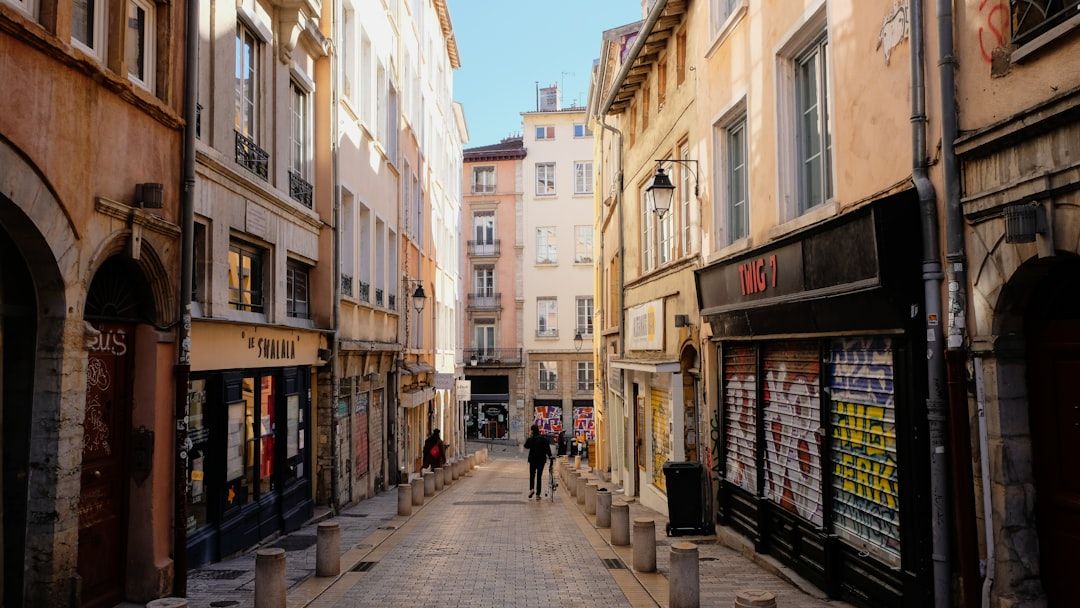
Lyon — a large student population, hostels, the food capital, and a rail hub. The bouchons have counter seating and eating alone is normal.
Marseille — cheaper than the rest of the south, with the Calanques reachable by bus, a hostel scene, and a genuinely mixed city rather than a preserved one.
Bordeaux — walkable, with the Atlantic coast and the Dordogne reachable by train for day trips.
Toulouse and Montpellier — student cities, cheap, warm, with cheap accommodation by French standards.
Paris — works, and is expensive. The 11th, 10th and 20th are where the affordable accommodation and the sociable bars are.
The solution to rural France
Walk it.
GR long-distance routes pass through villages with accommodation and need no vehicle. Red-and-white waymarking, consistently maintained, and the gîtes d'étape along them are priced per person in dormitories.
The Camino routes through France — the Via Podiensis from Le Puy in particular — where the whole system is built for people walking alone and the social side is automatic.
The GR34 along the Brittany coast, in sections between towns served by buses.
The Alpine hut network — the Tour du Mont Blanc, the GR5 — where refuges are dormitory-based, priced per person and full of other walkers.
This is the format that makes rural France work alone, and it is genuinely better than driving it.
Eating alone in France
Easier than its reputation.
The counter at a café or brasserie, where coffee costs €1.20–2 standing rather than €4–6 on the terrace, and both prices are posted by law.
Lunch — the formule midi, two courses at roughly half the evening price, and restaurants at lunchtime are full of people eating alone.
Markets, and a picnic from a bakery and a fromagerie, which is the cheapest good meal in France.
Dinner alone at a proper restaurant is fine and is the one that takes a little building up to.
The costs
| Item | Solo daily |
|---|---|
| Hostel dorm, city | €25–40 |
| Budget hotel single | €60–90 |
| Gîte d'étape on a GR | €20–40 half board |
| Formule midi | €13–17 |
| Coffee standing | €1.20–2 |
Practical
Advance TGV fares booked three to eight weeks out are a third of the walk-up price, and regional TER trains are flat-fare with no booking needed.
Mid-August closes rural businesses for two to three weeks; Sunday and Monday closures apply year round in small towns.
Learn some French. It matters more here than in most of western Europe, and a greeting before a question changes the interaction.